There are treatments that promise much and deliver little. Dermapen is not one of them. In my 15 years as a registered nurse in aesthetic medicine, I have seen countless trends come and go — but microneedling with Dermapen has established itself as one of the most scientifically supported and reliably effective treatments available to us today.
At Dibélle in Helsingborg, Dermapen is one of our most sought-after treatments, and with good reason. Whether you want to treat acne scars, fine lines, pigmentation, or simply give your skin a fresh start from within, Dermapen offers a path forward that works with your body — not against it.
In this guide, I share everything I know about Dermapen: the science behind the treatment, how it's performed at our clinic step by step, what you can expect in terms of recovery and results, and how we combine it with other advanced treatments for optimal outcomes.
What is Dermapen and microneedling?
Dermapen is a medical microneedling device — an advanced electric pen fitted with a sterile needle cartridge containing up to 16 ultra-fine needles. During treatment, these needles penetrate the skin in controlled, precise movements at a speed of up to 110 punctures per second.
But what makes Dermapen truly powerful is not the needles themselves — it is the body's response to them.
The science: Collagen Induction Therapy (CIT)
Dermapen treatment is built on a principle known as Collagen Induction Therapy (CIT). The concept is elegant in its simplicity:
-
Controlled micro-injury — The needles create thousands of microscopic channels in the skin, so small they are invisible to the naked eye. Each channel is a precise, vertical puncture — not a scratch or an incision.
-
The inflammatory phase (days 1–3) — The body registers these micro-injuries and immediately initiates its natural healing cascade. Platelets are activated and release growth factors. White blood cells flood to the area. This is why the skin becomes red and warm immediately after treatment — it is a sign that the healing process has begun.
-
The proliferation phase (days 3–21) — Fibroblasts, the skin's collagen-producing cells, begin working intensively. New type III collagen is formed. New blood vessels are created (angiogenesis), improving the skin's nutrition and oxygen supply. The skin begins to rebuild itself, stronger and denser.
-
The remodelling phase (days 21–365+) — The new type III collagen is gradually converted into stronger type I collagen. The skin's structure is strengthened, tightened and refined. This process continues for up to a full year after treatment, meaning the results actually improve over time.
It is this cascade — the body's own, intelligent healing process — that allows Dermapen to achieve such impressive results without surgery, without chemicals and without introducing foreign substances into the body.
How Dermapen differs from older microneedling methods
If you have heard of microneedling before, you may be thinking of dermarollers — the roller-shaped devices with needles that were sold both professionally and for home use. Dermapen represents an entirely different generation of the technology:
-
Vertical penetration vs. angled — A dermaroller rolls the needles into the skin in an arching motion, creating uneven, angled channels that can cause more tissue damage. Dermapen's needles move straight up and down, delivering cleaner, more controlled micro-channels and faster healing.
-
Adjustable needle depth — Dermapen allows us to set the needle depth from 0.25 mm to 2.5 mm during the same treatment. This means we can adapt the depth for each facial zone — shallower around the eyes and lips, deeper on the cheeks and forehead, and even deeper on scar tissue.
-
Precision in hard-to-reach areas — The pen's slim design makes it possible to treat areas such as the sides of the nose, around the eyes, the upper lip and along the jawline with a precision that a roller can never achieve.
-
Speed and comfort — The high oscillation speed makes the treatment faster and more comfortable. The needles move so quickly that the skin does not have time to react with the same pain signal as with slower penetration.
-
Hygiene — Each needle cartridge is sterile-packaged and used only once. This eliminates the risk of cross-contamination that can occur with reusable rollers.
What skin concerns can Dermapen treat?
One of Dermapen's greatest strengths is its versatility. By adjusting needle depth, number of passes and combining with serums, we can target the treatment towards a wide range of skin concerns.
Acne scars and other scars
Scars form when the skin's normal collagen structure has been disrupted — whether through inflammation (as with acne), trauma or surgery. Traditionally, scars have been notoriously difficult to treat without aggressive methods such as laser treatment or surgical revision.
Dermapen offers an alternative that is both effective and gentle. By creating controlled micro-injuries through the scar tissue, we stimulate the body to break down the old, disorganised collagen structure and replace it with new, well-organised collagen. The result is that the scar gradually flattens, softens and becomes less visible.
Best for: Atrophic acne scars (ice pick scars, boxcar scars, rolling scars), surgical scars, traumatic scars and chickenpox scars. For hypertrophic (raised) scars, an individual assessment is required.
Wrinkles and fine lines
With age, the skin's production of collagen and elastin decreases — by approximately 1% per year after the age of 25. This gradually leads to thinner, saggier skin and visible lines. Dermapen cannot stop the passage of time, but it can give the skin's collagen production a powerful restart.
By stimulating the formation of new collagen and elastin in the dermis (the skin's middle layer), the treatment achieves a genuine rejuvenation from within — not merely a temporary filler or superficial smoothing. The skin becomes firmer, more supple and more elastic, with a visible reduction in fine lines around the eyes, mouth and forehead.
Best for: Fine lines around the eyes (crow's feet), the forehead, around the mouth (smoker's lines) and on the neck. For deeper wrinkles, Dermapen can be combined with other treatments for optimal results.
Uneven pigmentation and sun spots
Hyperpigmentation — dark spots and uneven skin tone — occurs when melanin (the skin's pigment) is produced unevenly. Causes can include sun damage, hormonal changes (melasma), post-inflammatory hyperpigmentation after acne, or natural ageing.
Dermapen treats pigmentation in two ways: firstly, the needles break up concentrations of melanin in the epidermis, and secondly, the accelerated cell renewal gradually replaces pigmented cells with new, evenly pigmented cells. When combined with depigmenting serums applied immediately after treatment — while the micro-channels are open — the effect is significantly enhanced.
Best for: Sun damage, age spots, post-inflammatory hyperpigmentation after acne, and milder forms of melasma. Deeper melasma often requires a combination treatment approach.
Enlarged pores
Pores cannot be eliminated (they serve an important biological function), but their visible size can be reduced considerably. Enlarged pores are often caused by overproduction of sebum, loss of skin elasticity, or a combination of both.
Dermapen helps reduce visible pore size by stimulating collagen production around the pore, which strengthens the surrounding tissue and makes the pore appear smaller. The effect is enhanced by the overall improvement in skin texture that the treatment provides.
Best for: Visibly enlarged pores on the cheeks, nose and T-zone, particularly in combination with a good at-home skincare routine.
Stretch marks (striae)
Stretch marks are essentially scars in the skin's dermis that have formed when the skin has been stretched rapidly — during pregnancy, rapid weight gain, growth spurts or intense strength training. Like other scars, they respond to the collagen-stimulating effect of microneedling.
Red-purple, newer stretch marks (striae rubrae) generally respond better to treatment than white, older stretch marks (striae albae), but both can be improved. We adjust the needle depth and number of passes according to the stretch marks' age, depth and location.
Best for: Stretch marks on the abdomen, hips, breasts, upper arms and thighs. Newer stretch marks yield faster results, but even older stretch marks can be improved with a series of treatments.
General skin rejuvenation and glow
Not everyone who books a Dermapen treatment has a specific skin concern to address. Many of our clients are simply seeking more radiant, vital and healthy-looking skin. Dermapen delivers this by stimulating cell renewal, improving blood circulation, increasing collagen density, and evening out skin tone and texture.
The result after a series of treatments is best described as skin that glows from within — a natural, healthy radiance that cannot be achieved with makeup or superficial products.
The treatment process at Dibélle — step by step
At Dibélle, every Dermapen treatment is a carefully planned experience. Here is how it works:
Step 1: Consultation and skin analysis
Before your first treatment, we always conduct a thorough consultation. We map your skin history, discuss your goals and examine your skin carefully — both visually and with the aid of magnification. Based on this, we create an individual treatment plan that includes the recommended number of sessions, needle depth and any combination treatments.
We also discuss your current skincare routine, as the right at-home regimen can significantly enhance and prolong the results of your Dermapen treatment.
Step 2: Preparing the skin
At the treatment appointment, we begin by cleansing the skin thoroughly in two steps — first with a gentle cleanser to remove makeup and surface impurities, then with an antiseptic solution to ensure a completely clean treatment surface.
We then apply a medical numbing cream (topical anaesthesia) that is left to take effect for 20–30 minutes. During this time, you relax comfortably in our treatment chair. The numbing cream means that the vast majority of clients experience the treatment as completely pain-free or with minimal discomfort.
Step 3: The treatment
With the skin numbed and prepared, we begin the treatment itself. I work systematically across the face — zone by zone — adjusting the needle depth according to each area's needs:
- Around the eyes: 0.25–0.5 mm (very gentle, thin and sensitive skin)
- Forehead: 0.5–1.0 mm
- Cheeks: 1.0–2.0 mm (the skin is thicker here and can tolerate deeper treatment)
- Nose and sides of the nose: 0.5–1.0 mm
- Scar tissue: Up to 2.0–2.5 mm depending on the scar's depth
During the treatment, we apply a specially selected serum that penetrates the skin through the open micro-channels. The choice of serum depends on your skin concern — hyaluronic acid for hydration and firming, vitamin C for luminosity and pigmentation, or growth factors for maximum collagen stimulation.
The entire treatment typically takes 30–60 minutes depending on the size of the treatment area and which zones are included.
Step 4: Soothing post-treatment care
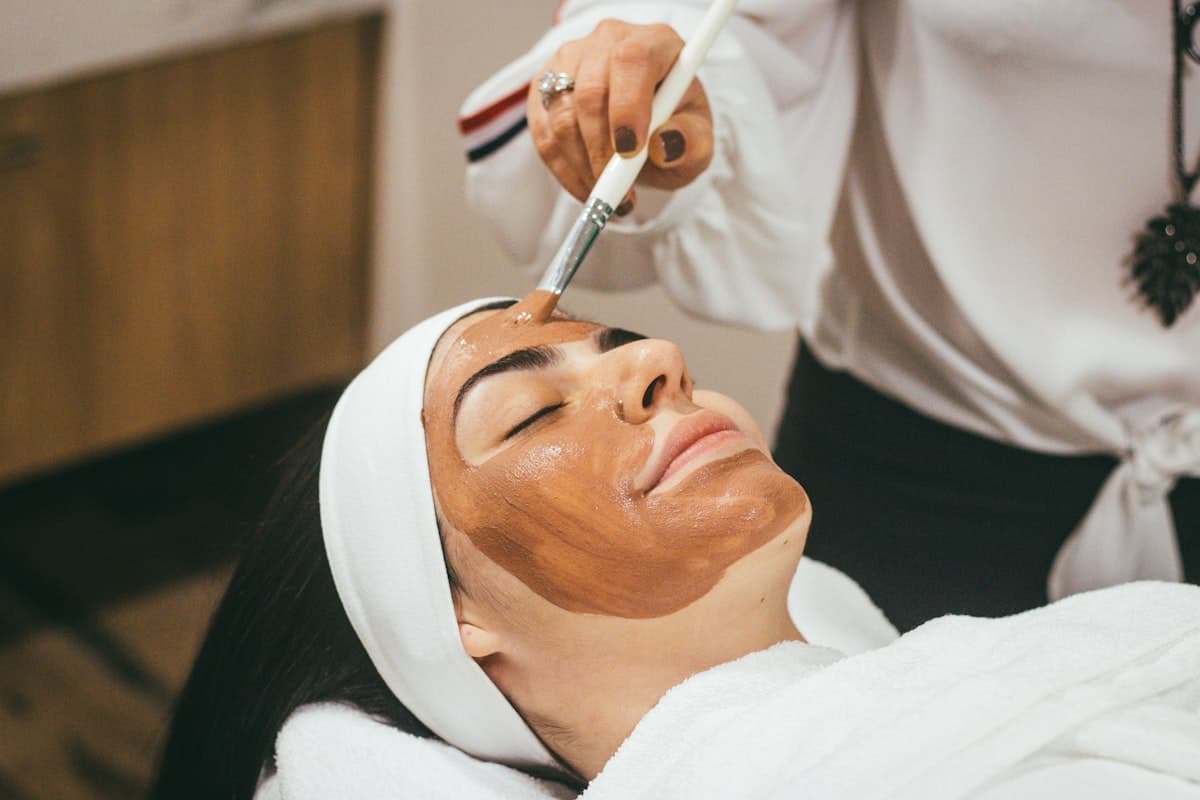
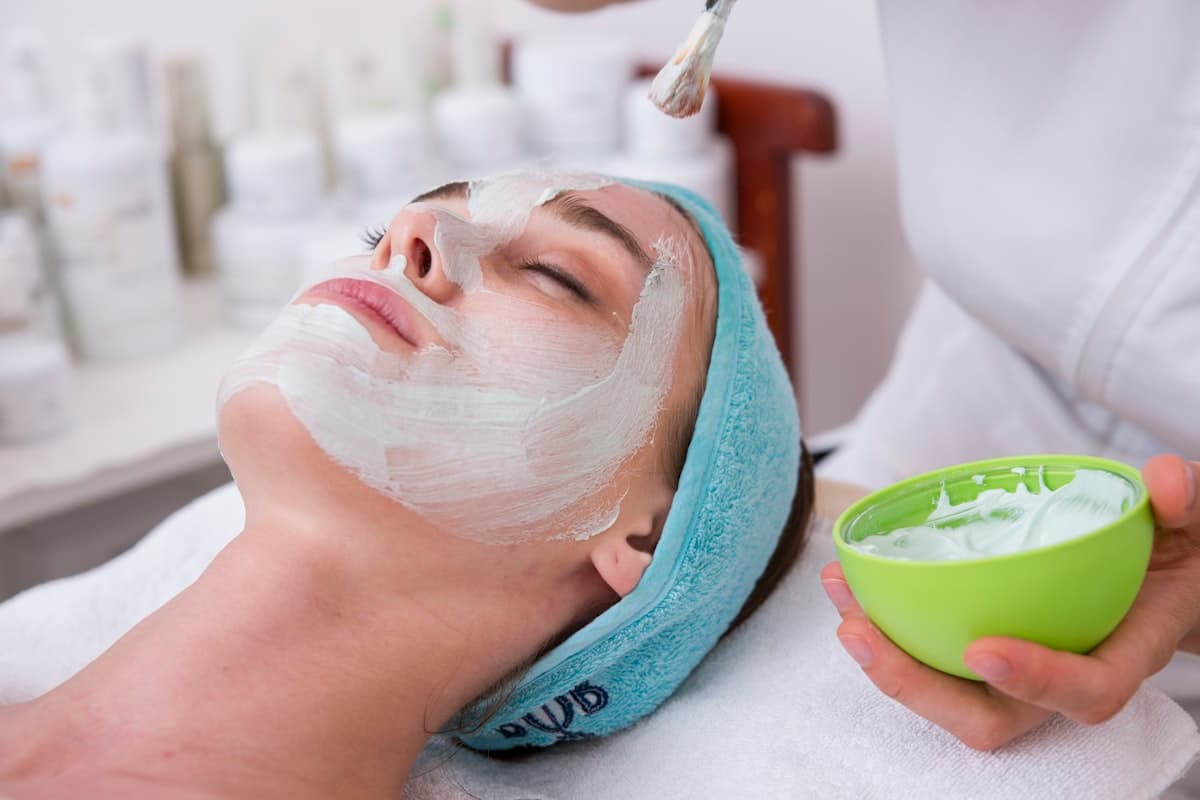
Immediately after treatment, we apply a calming, hydrating mask or serum that helps the skin begin its healing process under optimal conditions. We finish with a mineral sunscreen (SPF 50+) to protect the newly treated skin.
Before you leave the clinic, we go through your personal aftercare plan in detail, so you know exactly what to do — and not to do — in the coming days.
Pain and comfort — what can you expect?
The most common question we receive about Dermapen is: Does it hurt?
The answer is that most people find the treatment entirely manageable. With medical numbing cream applied well in advance of the treatment, most clients describe the sensation as a light vibration-like discomfort — roughly like an electric toothbrush against the skin.
Certain areas are more sensitive than others. The forehead and upper lip may feel more intense, while the cheeks and chin rarely cause any discomfort at all. Areas with thinner skin, such as around the eyes, are treated with shallower needle depths and often feel the least.
During the treatment, we maintain an ongoing dialogue — I check in regularly and adjust speed and pressure according to your comfort. Your experience matters, and no one should have to grit their teeth during a beauty treatment.
"Dermapen is one of the treatments I am most passionate about. It is fascinating to see how the skin's own intelligence — its natural healing ability — can deliver such remarkable results without us introducing anything artificial. Every time I see a client's skin transform over the course of a treatment series, I am reminded of why I chose this profession. It is not just about improving the skin — it is about strengthening people's confidence and wellbeing." — Abir Mustafa, registered nurse and founder of Dibélle
Recovery day by day
Recovery after Dermapen is relatively quick, but it is important to know what to expect so you can plan your social and professional life accordingly.
Day 0 (treatment day)
The skin is red, warm and swollen — similar to a moderate sunburn. You may experience a tightening sensation. Some areas may have pinpoint surface bleeding, particularly if deeper needle depths were used. This is completely normal. Avoid touching the skin unnecessarily, do not use any products other than those we have recommended, and consider sleeping with your head slightly elevated.
Day 1
The redness persists but has usually decreased. The skin may feel dry and tight. No makeup, no active products (AHA/BHA/retinol/vitamin C), no intense exercise, no sauna. Wash your face gently with lukewarm water and a mild, fragrance-free cleanser. Apply a calming, hydrating serum (hyaluronic acid) and SPF 50.
Day 2
The redness fades. The skin may begin to feel slightly rough or sandpaper-like — these are the microscopic scabs that have formed, a sign of healing. Light makeup can be applied if needed, but mineral makeup is recommended over regular foundation. Continue with gentle skincare and sun protection.
Days 3–4
Most people find that the redness has completely resolved and the skin begins to feel softer. Some flaking may occur, particularly if deeper needle depths were used — resist the temptation to pick or scrub. Allow the skin to shed naturally.
Days 5–7
The skin has normalised for most people. You can gradually begin reintroducing your usual skincare products, but be cautious with strong active ingredients during the first week. Sunscreen (SPF 50) should be used diligently for at least 4 weeks.
Weeks 2–4
This is when the real magic happens. Beneath the surface, fibroblasts are working intensively to produce new collagen. You will gradually notice that the skin looks fresher, that fine lines soften, that skin tone evens out, and that the skin has increased luminosity and firmness.
Weeks 4–12
Collagen remodelling is still underway. Results continue to improve week by week. This is when you see the full effect of the treatment — firmer skin, reduced scars, more even skin tone. And the process continues for up to 12 months.
How many treatments are needed?
The number of treatments required varies depending on your skin concern, its severity and your skin's individual response. Here is a general guide:
- General skin rejuvenation and glow: 2–3 treatments at 4–6 week intervals
- Fine lines and early signs of ageing: 3–4 treatments at 4–6 week intervals
- Pigmentation and uneven skin tone: 3–5 treatments at 4–6 week intervals
- Enlarged pores: 3–4 treatments at 4–6 week intervals
- Acne scars (mild to moderate): 4–6 treatments at 4–6 week intervals
- Acne scars (deep): 6–8+ treatments at 4–6 week intervals
- Stretch marks: 4–6 treatments at 4–6 week intervals
The interval between treatments is important — it allows the skin time to complete collagen formation before we stimulate it again. We never recommend rushing the process.
After a completed treatment series, we recommend maintenance treatments 1–2 times per year to sustain the results and continue stimulating collagen production.
Dermapen + PRX-T33: the ultimate combination treatment
One of the most powerful treatment combinations we offer at Dibélle is Dermapen followed by PRX-T33 bio-revitalisation. It is a synergy that significantly enhances the effect of both treatments.
What is PRX-T33?
PRX-T33 is an Italian-developed bio-revitalising solution containing three active ingredients:
- TCA (trichloroacetic acid) 33% — Stimulates powerful collagen production deep in the dermis
- Hydrogen peroxide (H2O2) — Protects the skin's surface from TCA damage and provides a bio-revitalising effect
- Kojic acid 5% — Inhibits melanin production and brightens the skin tone
What makes PRX-T33 unique is that it delivers the effect of a deep chemical peel without the heavy flaking and extended recovery time. It stimulates collagen at depth while the skin's surface remains relatively intact.
Why the combination is so effective
When we apply PRX-T33 immediately after a Dermapen treatment, something special happens: the thousands of micro-channels created by the needles function as delivery pathways that allow PRX-T33 to penetrate deeper and more evenly than with topical application alone. The result is a dual-action collagen stimulation — mechanical via the needles and chemical via TCA — that produces a more powerful overall effect.
The combination treatment is particularly effective for:
- Deeper acne scars
- Advanced skin rejuvenation
- Lax skin with loss of firmness
- Pigmentation that is difficult to treat
Dermapen vs. chemical peel — a comparison
Both Dermapen and chemical peeling are effective treatments for skin renewal, but they work in fundamentally different ways. Here is a detailed comparison:
| | Dermapen (Microneedling) | Chemical peel | |---|---|---| | Mechanism of action | Mechanical — needles create micro-channels that stimulate collagen | Chemical — acids dissolve dead skin cells and stimulate renewal | | Best for | Scars, wrinkles, texture, firmness, stretch marks | Pigmentation, uneven skin tone, acne, superficial texture | | Needle depth / Strength | Adjustable 0.25–2.5 mm | Superficial, medium or deep peel | | Recovery time | 1–3 days (redness) | 3–10 days depending on depth (flaking) | | Pain | Minimal with numbing | Stinging during application | | Can be done year-round? | Yes (with sun protection) | Preferably autumn/winter (increased sun sensitivity) | | Suitable for darker skin | Yes — low risk of pigmentation changes | Caution required (risk of hyper/hypopigmentation) | | Number of treatments | 3–6+ in a series | 3–6+ depending on type | | Collagen stimulation | Strong, deep-reaching | Moderate to strong depending on depth | | Can be combined with serums? | Yes — micro-channels enhance absorption | No — the skin is chemically treated |
Summary: Dermapen is superior for structural skin concerns such as scars, wrinkles and stretch marks, while chemical peeling excels at pigmentation and superficial texture concerns. In many cases, we recommend a combined strategy where both methods form part of an overall treatment plan.
Skincare after Dermapen — your aftercare routine
Proper aftercare is essential to maximise results and minimise the risk of complications. Here is our recommended routine:
The first 24 hours (critical phase)
- Do not touch your face unnecessarily — hands carry bacteria
- No makeup (the skin has open micro-channels)
- No exercise that causes sweating
- No direct sunlight
- Wash with lukewarm water and a mild, fragrance-free cleanser
- Apply the serum we have recommended (typically hyaluronic acid)
Days 2–5 (healing phase)
- Continue with gentle, fragrance-free skincare
- Avoid: AHA, BHA, retinol, vitamin C serums, scrubs, enzymatic peels
- Avoid: Sauna, steam baths, swimming pools, intense exercise
- Avoid: Alcohol-based products, fragranced creams
- Use: Hyaluronic acid, ceramides, soothing ingredients such as aloe vera and allantoin
- SPF 50+ every day, regardless of weather — this is non-negotiable
Days 6–14 (stabilisation phase)
- Gradual reintroduction of your usual products
- Start with gentler active ingredients (niacinamide, peptides)
- Wait with retinol and stronger acids until days 10–14
- Continue with SPF 50 daily
Week 3+ (maintenance phase)
- Return to your usual skincare routine
- Continue using SPF 50 daily (you should be doing this always, treatment or not)
- Consider adding or upgrading serums that support collagen production: retinol, vitamin C, peptides
Who is Dermapen suitable for — and who should avoid it?
Dermapen is an excellent choice if you:
- Want to improve acne scars, surgical scars or other scars
- Experience fine lines, wrinkles or loss of skin firmness
- Have uneven skin tone, pigmentation or sun damage
- Want to reduce visible pores or improve skin texture
- Have stretch marks you wish to reduce
- Simply desire fresher, more radiant skin
- Are 20+ (we treat adults of all ages)
- Have any skin type — Dermapen works excellently on all Fitzpatrick skin types (I–VI), including darker skin
Dermapen is NOT recommended if you:
- Have active acne with inflamed breakouts (we treat the acne first, then the scars)
- Have active herpes simplex (cold sores) in the treatment area — treatment can trigger an outbreak
- Have active rosacea in an acute flare
- Have keloids (a type of scar tissue that overreacts to injury)
- Have ongoing skin infections or open wounds
- Are taking blood-thinning medication (increased bleeding risk — discussed at consultation)
- Have used Accutane (isotretinoin) within the last 6 months
- Are pregnant or breastfeeding (precautionary principle)
If in doubt, we always conduct a consultation before treatment to ensure that Dermapen is the right choice for you.
Results you can expect
Dermapen is not a miracle cure that delivers instant perfection — it is a serious, medical treatment that produces progressive, natural results that improve over time. Here is a realistic expectation:
After 1 treatment:
- Increased luminosity and glow (visible as early as 1–2 weeks)
- Smoother skin texture
- A sensation of tighter, fresher skin
After 3 treatments:
- Visibly more even skin tone
- Noticeable reduction in fine lines
- Refined pore structure
- Superficial scars begin to fade
After 5–6+ treatments:
- Significant improvement in acne scars and deeper scars
- Firmer, more elastic skin
- Reduced pigmentation
- Overall rejuvenated skin quality
It is important to understand that every person's skin is unique. Factors such as age, skin type, lifestyle, sun habits, diet and skincare routine all influence the outcome. During your consultation at Dibélle, we will give you an honest and individual assessment of what you can expect.
Why choose Dibélle for your Dermapen treatment?
At Dibélle, all Dermapen treatments are performed by Abir Mustafa, a registered nurse with experience in aesthetic medicine since 2011. This means your treatment is carried out by someone with deep medical knowledge of the skin's anatomy, physiology and healing processes — not merely technical knowledge of the device itself.
We have chosen to invest in quality at every step:
- Individual treatment plans — no one-size-fits-all solution, every treatment is tailored to your skin
- Premium serums — we use medical-grade serums of the highest quality during treatment
- Time and care — we never rush through a treatment
- Tranquil environment — our clinic at Kullagatan 40 in Helsingborg is designed to be an oasis of calm
- Follow-up — we monitor your skin's progress and adjust the treatment plan based on how your skin responds
With 4.9 out of 5 stars based on over 1,027 reviews on Bokadirekt, we are proud of the trust our clients place in us.
Book your consultation
Are you curious about what Dermapen can do for your skin? The best first step is a consultation where we meet, I analyse your skin and we create a plan together.
Book easily via Bokadirekt — select "Consultation" or "Dermapen" from our services. You are also welcome to contact us directly if you have questions before booking.
We look forward to helping you achieve more beautiful, stronger and more radiant skin — from the inside out.
With care for your skin, Abir Mustafa — Dibélle, Helsingborg